Building Product Photography Studios That Actually Work: Learnings From Consulting for Aime Leon Dore and MadHappy
When Brands Stop Outsourcing and Start Building
There's a moment in every growing brand's trajectory when they realize outsourcing isn't sustainable anymore. The volume is too high. The turnaround times too tight. The cost of hiring freelance photographers for every single product drop starts looking absurd compared to building an in-house capability.
That's usually when I get the call.
I'm Jessup Deane, a product photography consultant based in Brooklyn, and over the past several years I've helped premium brands like Aime Leon Dore and MadHappy transition from outsourced photography to fully functional in-house studios. Not just studios with equipment—studios with trained teams, efficient workflows, and the ability to produce consistently high-quality work that matches or exceeds what they were getting from external photographers.
Here's what nobody tells you about that transition: buying cameras and lights is the easy part. Building a system that actually works—that's where most brands mess it up.


Why Brands Need Photography Consulting (And Why Most Don't Realize It)
When companies decide to bring photography in-house, they typically make one of two mistakes. Either they hire a photographer and expect them to figure everything out alone, or they assume photography is simple enough that their existing creative team can just learn on YouTube.
Both approaches waste time and money.
Building a professional photography studio—one capable of producing ecommerce product photography and high-end commercial photography services at scale—requires expertise across multiple domains. You need someone who understands:
Equipment Selection and Sourcing Not all cameras are created equal. Not all lighting setups work for every product category. A studio shooting jewelry needs completely different gear than one shooting outerwear. Most brands buy equipment based on specs they don't understand or recommendations from sales reps who've never shot a product in their lives.
I've walked into studios with $50,000 worth of equipment sitting unused because nobody knew what half of it did. Meanwhile, they were missing a $200 piece of gear that would've solved their biggest workflow bottleneck.
Studio Layout and Design Your studio's physical layout determines everything—efficiency, consistency, safety, and ultimately, output quality. I've consulted for brands shooting in beautiful spaces that were absolute nightmares from a workflow perspective. Insufficient electrical capacity. Lighting that couldn't be controlled. Tables at the wrong height causing back problems.
A well-designed photography studio considers how products move through space, where natural light comes from, how many simultaneous setups you can run, and where equipment gets stored when not in use. These aren't sexy considerations, but they're the difference between a team that shoots 20 products per day versus 50.
Team Training and Development This is where I see the biggest gap. Brands hire talented people with some photography background and expect them to instantly produce work matching what took me a decade to develop. That's not realistic, and it's not fair to the team.
Effective photography consulting services focus heavily on training. Not just technical skills—though those matter—but also developing the eye for styling, understanding brand aesthetic, learning efficient workflows, and building the confidence to make creative decisions under pressure.
When I consulted for MadHappy, I spent two weeks in-house followed by two weeks of ongoing availability. The goal wasn't just to shoot their products. It was to train their team so thoroughly that they could maintain quality standards after I left. That's the whole point of consulting versus just hiring another freelancer.
The Natural Lighting Method: Teaching What Can't Be Taught (Except It Can)
One thing that sets my photography consulting services apart is teaching what I call the "natural lighting method." This is the signature approach I developed during my years with Aime Leon Dore—creating images that have the warmth, authenticity, and softness of natural light while maintaining complete control over the final result.
Most people think you either shoot natural light or you shoot with strobes. That's a false binary. The natural lighting method uses strategic supplemental lighting to enhance—not replace—ambient and window light. The result looks effortless and authentic, which is exactly what premium brands need for ecommerce product photography that doesn't feel sterile or catalog-generic.
Here's the thing though: this approach is teachable. It requires understanding light quality, color temperature, shadow management, and how different products interact with light. But once your team learns these principles, they can apply them across any product category in any studio environment.
I've trained creative teams who had never touched a camera to produce work that rivals what agencies charge $10,000 per day for. It's not magic. It's systems, repetition, and someone willing to share the knowledge instead of gatekeeping.

Real Consulting: The Aime Leon Dore Years
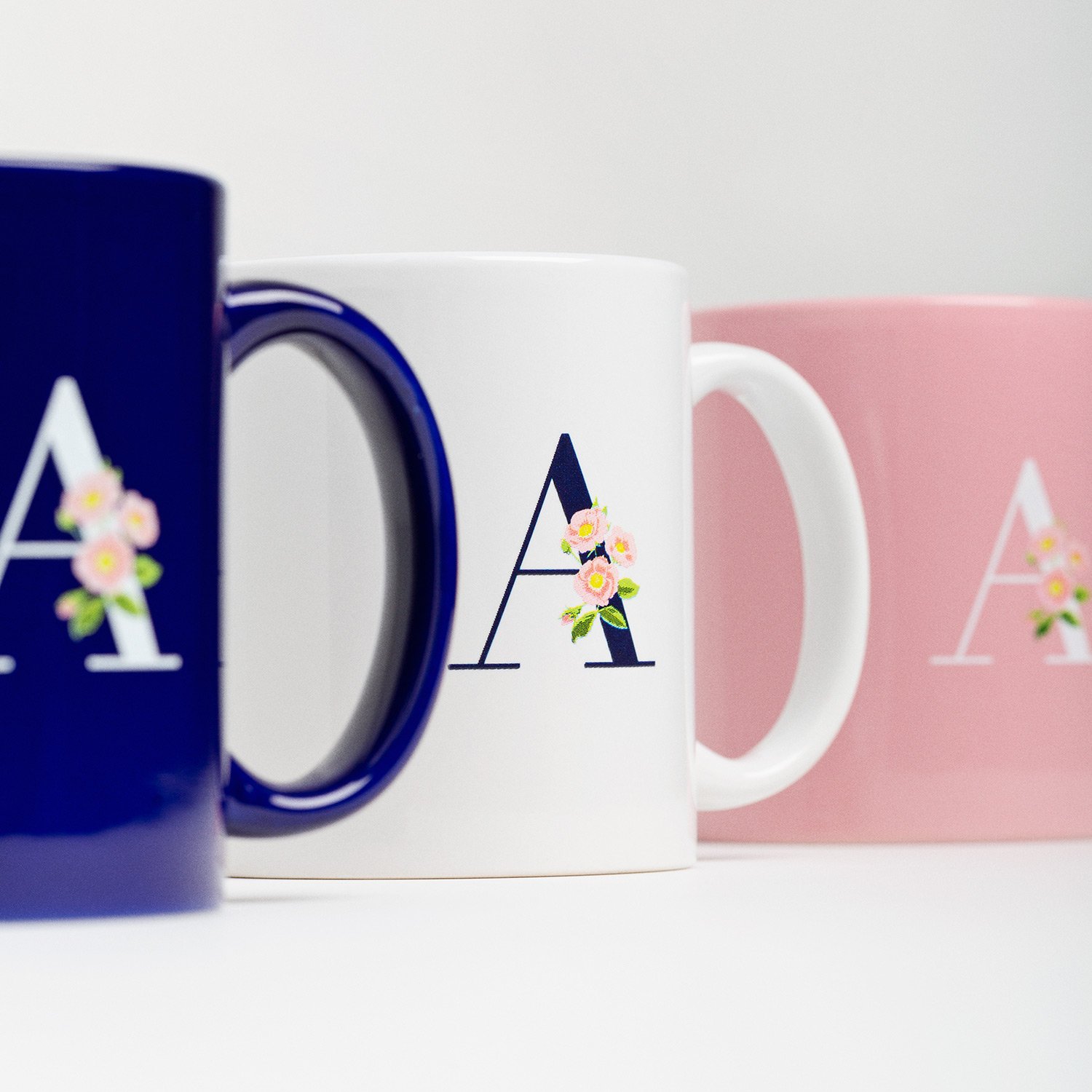
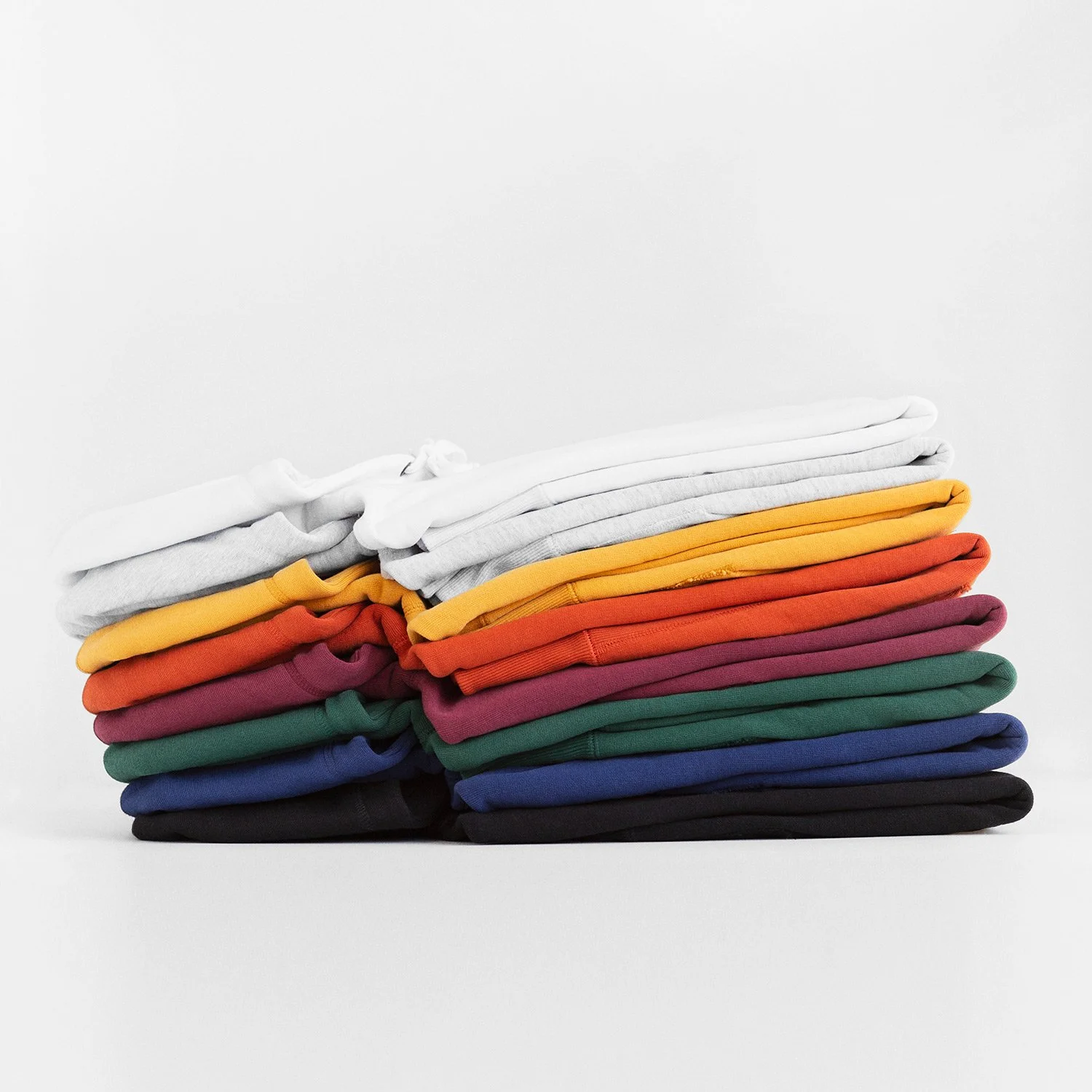
My relationship with Aime Leon Dore wasn't traditional consulting in the beginning—I was their product photographer. But over time, as they scaled, my role evolved. They wanted to understand not just the final images but the entire process. How I made decisions. Why certain setups worked better than others. What equipment I considered essential versus nice-to-have.
This is where most freelance photographers drop the ball. They show up, shoot, deliver files, leave. They're protective of their process because they think that's their competitive advantage. But for brands serious about building internal capabilities, that approach doesn't serve anyone.
During my fourth year with ALD, when I raised my rates (and they initially balked before coming back six months later), part of what justified my increased pricing was my willingness to transfer knowledge. I wasn't just providing product photography services—I was providing expertise that would compound over time.
The photography standards I established for ALD—the clean edges, precise layering, attention to detail in-camera versus relying on post-production—became the foundation for their visual identity. But more importantly, the team learned those standards deeply enough to maintain them as the brand continued growing.
That's the difference between hiring a photographer and hiring a photography consultant. One gives you fish. The other teaches your entire team how to fish, identifies the best fishing spots, and leaves detailed maps for everyone who comes after.
MadHappy: Building Systems That Scale
When MadHappy reached out in 2022, they were in a different situation than early-stage ALD. They had product photography happening, but it wasn't consistent. Quality varied depending on who was shooting. Turnaround times were unpredictable. They needed someone to come in and establish a quality standard that could scale with their growth.
This is textbook consulting work. The brief wasn't "shoot our products"—though that was part of it. The brief was "help us build a photography operation that works."
We focused on three core areas:
Standardizing Workflows Every brand thinks their photography workflow is unique. It's not. The sequence is basically always the same: product intake, styling, setup, capture, quality control, editing, delivery, archiving. What varies is how efficiently you move through those stages.
I helped MadHappy's team map their existing process, identify bottlenecks, and redesign workflows to eliminate wasted motion. Simple changes—like reorganizing their product intake area and creating pre-lit setups for common product categories—cut their average shot time by 30%.
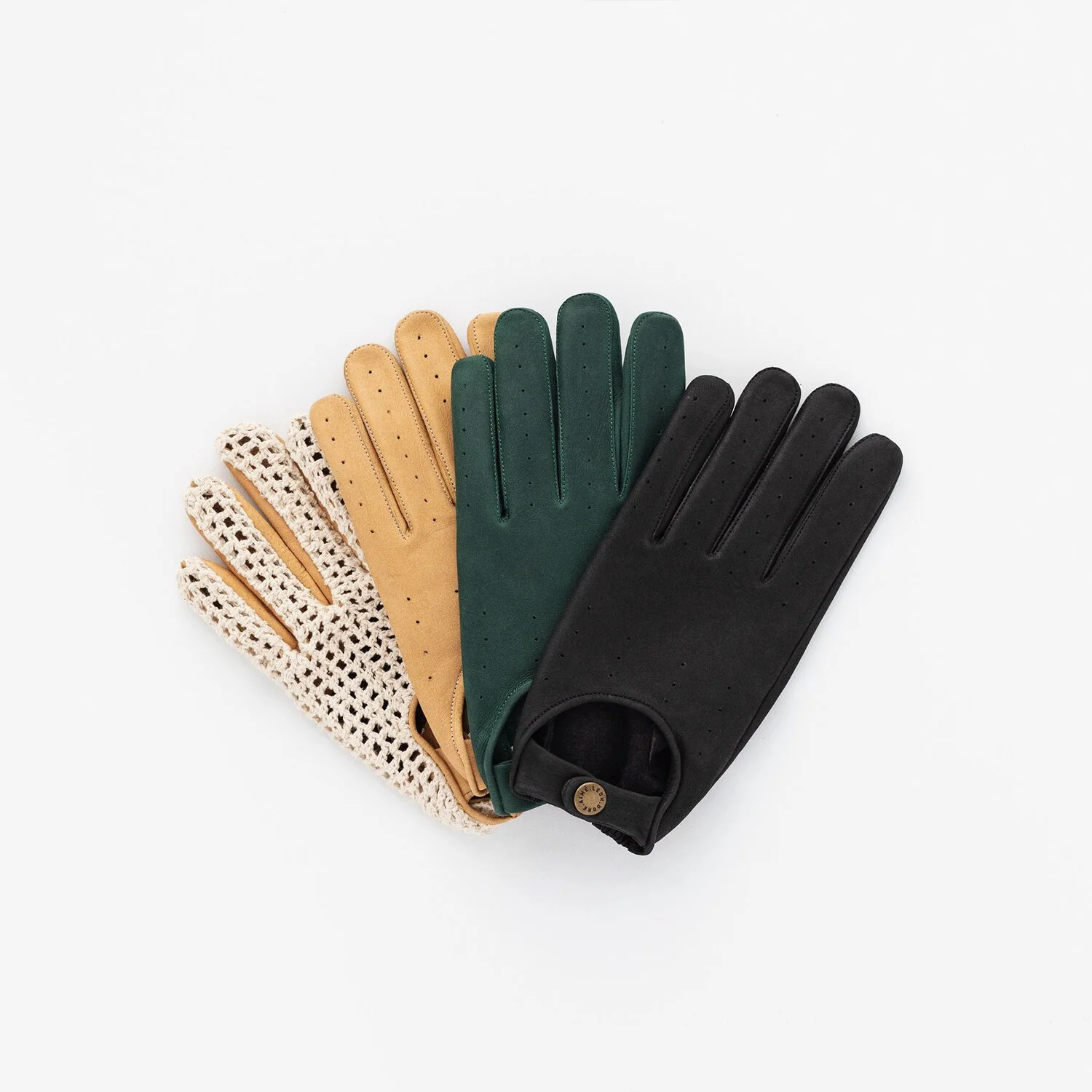
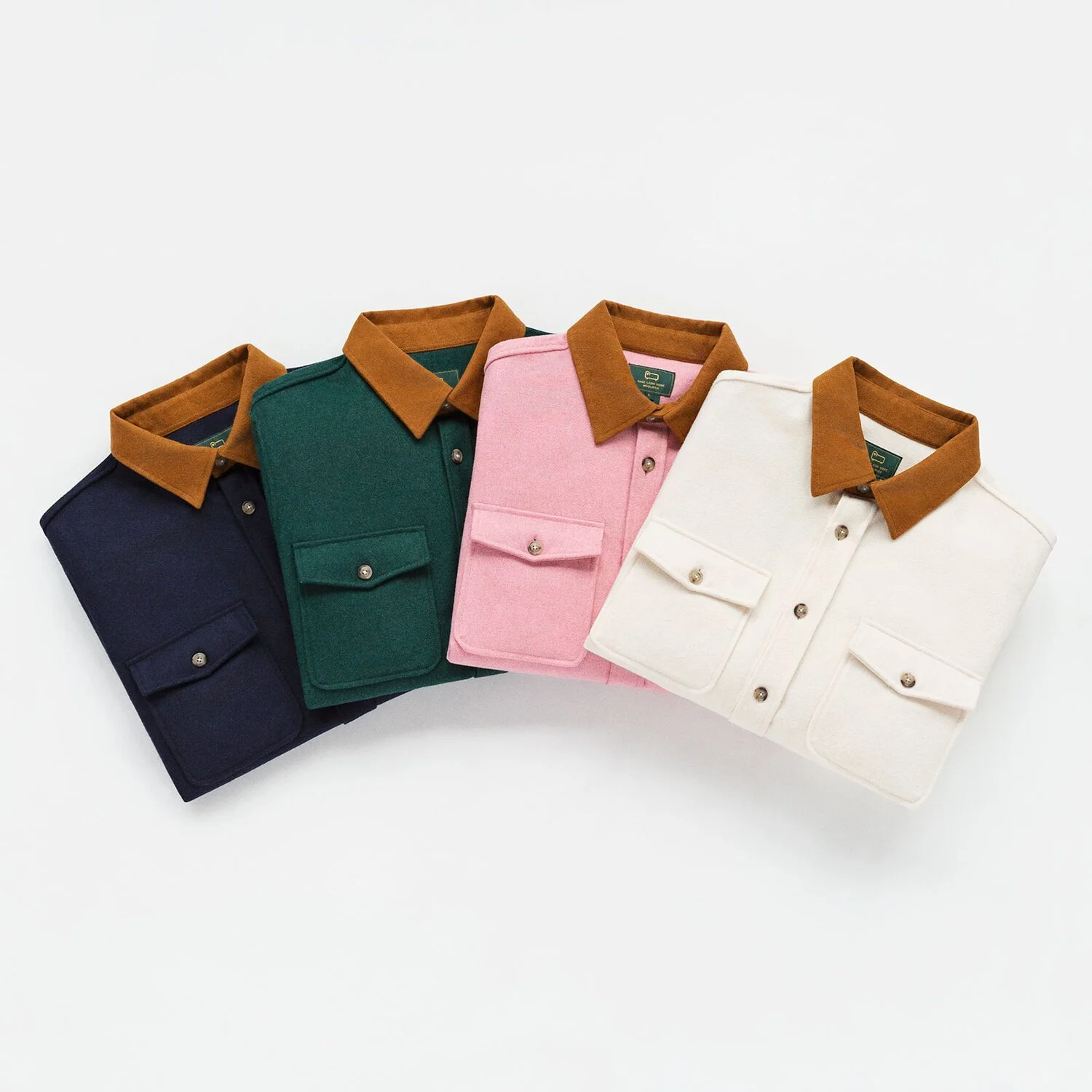
Creating Dynamic Product Imagery MadHappy's brand energy is optimistic, colorful, and vibrant. Their product photography needed to reflect that without sacrificing the premium quality their customers expect. We developed approaches for multi-piece compositions, working with color relationships, and shooting from angles that added visual interest while maintaining clarity.
This is where the art meets the system. You can teach technical execution, but developing creative vision requires practice and feedback. I shot alongside the team, explained my decision-making process in real-time, reviewed their work, and pushed them to try approaches outside their comfort zone.
Building Long-Term Sustainability The worst consulting engagements create dependency. The best ones make you obsolete. My goal with MadHappy was to train the team so thoroughly that they wouldn't need me after our engagement ended. Not because I don't want the work—I do—but because empowering creative teams to own their craft is more valuable than maintaining long-term retainer relationships.
We documented everything. Equipment lists. Lighting diagrams. Styling guidelines. Editing workflows. If someone new joined the team six months later, they'd have comprehensive documentation to get up to speed quickly.


What Makes Effective Photography Consulting Services
Having now worked with multiple brands on building in-house photography capabilities, I've identified what separates effective consulting from someone just showing up and shooting:
Flexible Engagement Models Some brands need intensive short-term help. Others benefit from ongoing availability. My consulting services range from 3-12 month structured engagements to month-to-month arrangements. The right model depends on your team's current capabilities, your growth trajectory, and your budget.
A brand just starting to build a studio might need me in-house several days per week initially, then shift to monthly check-ins. An established team looking to level up might just need a few intensive weeks to audit their process and implement improvements.
Focus on Knowledge Transfer I'm not precious about my methods. If I know a technique that will help your team, I teach it. Completely. With detailed explanations of why it works, when to use it, and common pitfalls to avoid.
The goal of professional photography consulting services should always be making your team better, not making them dependent on the consultant. I want brands to succeed long after I'm gone.
Emphasis on In-Camera Quality This is a philosophical point but it matters. Most commercial photography services prioritize speed and fix problems in post-production. That approach creates bottlenecks, increases costs, and limits creative flexibility.
My consulting emphasizes getting everything right in-camera: composition, exposure, styling, layering, edge quality. When you nail the capture, post-production becomes refinement rather than rescue. This approach produces better final images and scales more efficiently as your volume increases.
Realistic Timelines and Expectations Nobody becomes an expert photographer in two weeks. Building a truly high-functioning studio takes months, sometimes a year or more. Effective consulting acknowledges this reality and sets appropriate expectations.
I'm honest with brands about what they can achieve in our engagement timeframe. If you're starting from zero, we're not going to match what I produce solo on day one. But we can establish solid foundations, build core competencies, and create clear paths for continued improvement.
The Business Reality: Why Photography Consulting Pays For Itself
The brands I work with often discover that improving photography capabilities elevates their entire creative operation. When your product images are stronger, your marketing team has better assets. When your workflows are more efficient, your project managers experience less stress. When your creative team feels confident and supported, they do better work across all channels.
This is why I'm increasingly interested in consulting that extends beyond just photography. Yes, I help with studio setup, equipment selection, team training, and workflow optimization. But I'm also available to discuss creative direction, brand consistency, team management, and building sustainable creative practices.
For creative entrepreneurs and freelance creatives considering bringing work in-house, or for established brands looking to level up their internal capabilities, this holistic approach recognizes that photography doesn't exist in isolation. It's one piece of a larger creative ecosystem, and optimizing that entire system produces better results than just fixing the photography piece alone.
Beyond Product Photography: Supporting Creative Teams Holistically
While my work with Aime Leon Dore established my reputation as an ALD photographer and defined my natural light product photography approach, the years since have brought incredible creative opportunities with other premium brands seeking this aesthetic.
MadHappy, a Los Angeles-based lifestyle brand, reached out pre-pandemic. At the time, they weren't ready to commit to the level of investment this work requires. But in 2022, they came back—serious, focused, ready to establish a quality standard for their visual identity. We created dynamic product imagery that maintained the brand's optimistic energy while elevating their production value.
The pattern repeats: brands recognize the signature look, understand it sets them apart, and commit to the process. They're investing in more than product photography. They're investing in a visual identity that communicates care, quality, and authenticity—values their customers increasingly demand.
The only thing that frustrates me now? Seeing brands copy the aesthetic poorly. I wish companies paid photographers enough to do it well. So well that the images they produce push me to level up my own game. Right now, I just see the shortcuts. And here's the truth: there's no trick. It's time, detail, and effort.

What I'm Looking For: Brands Ready to Invest in Quality
Photography consulting isn't for everyone. If you're primarily cost-focused and want the cheapest possible solution, we're not a good fit. If you want quick fixes without being willing to invest in training and process improvement, I can't help you.
But if you're a premium brand that understands quality photography drives business results, if you're willing to invest in building real internal capabilities, and if you want a consultant who's genuinely invested in your team's success—let's talk.
I work with brands across fashion, lifestyle, ecommerce, and any category where product photography services directly impact customer perception and purchase decisions. My ideal clients are:
High-output brands shooting products regularly (weekly or more frequently)
Companies transitioning from outsourced to in-house photography
Established brands looking to elevate their current photography standards
Creative teams that value craft, consistency, and continuous improvement
The engagement typically starts with a conversation about your current state, your goals, and your constraints. From there, we design a consulting program—whether 3 months, 6 months, or ongoing—that addresses your specific needs.
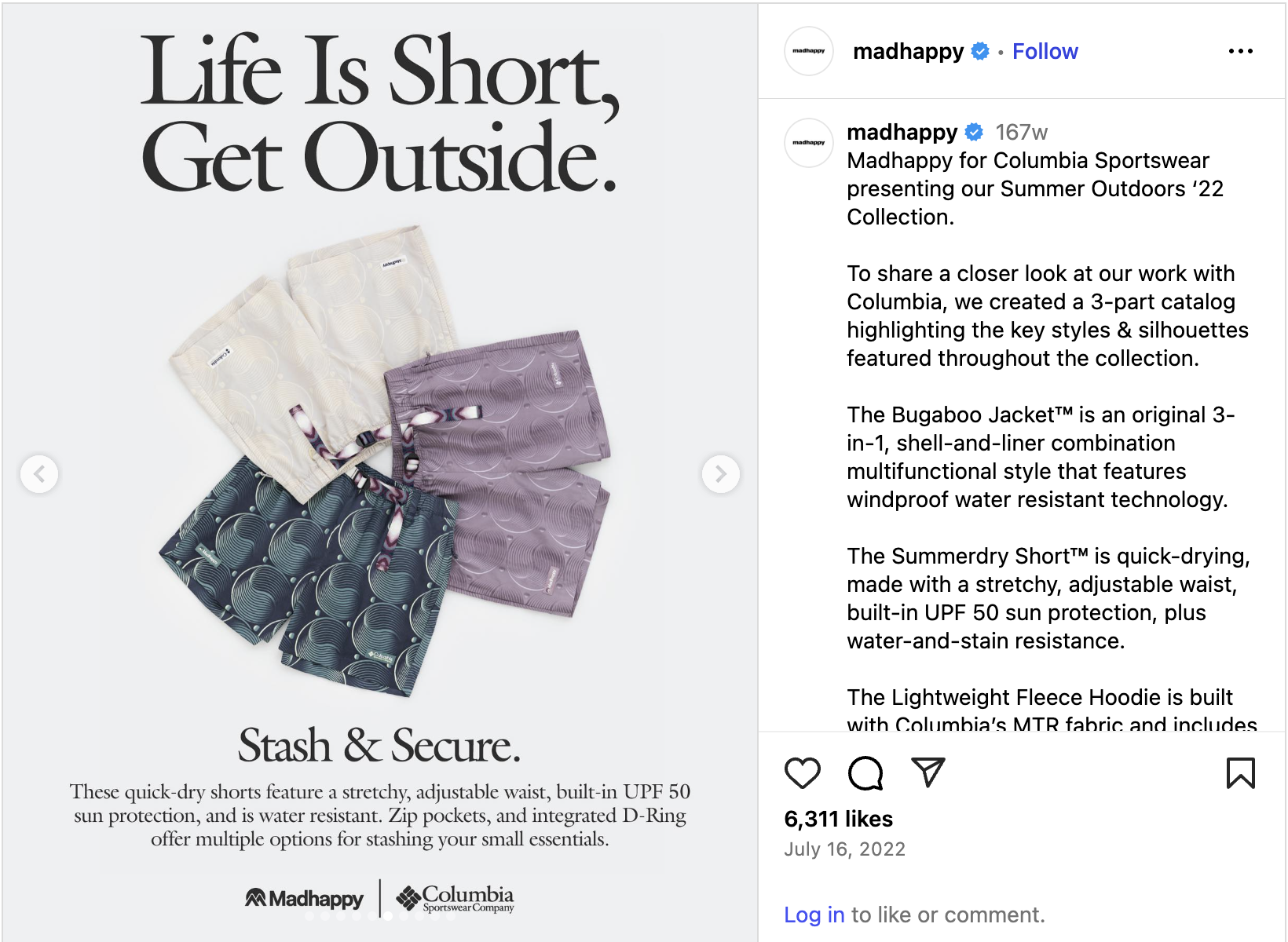
A throwback of Jessup’s work from MadHappy’s 2022 grid.
The Path Forward: Building Photography Capabilities That Last
The photography industry has a retention problem. Brands churn through freelancers. Talented photographers burn out from unsustainable workloads. Knowledge gets hoarded rather than shared. Quality suffers because everyone's optimizing for speed over craft.
Photography consulting done right changes that equation. It creates sustainable in-house capabilities. It empowers teams to do their best work. It builds systems that improve over time rather than degrade.
This is what I did for Aime Leon Dore, establishing photography standards that outlasted my time there. This is what I did for MadHappy, training their team to produce consistently excellent work independently. This is what I want to do for more brands serious about building creative operations that actually work.
If you're reading this and thinking "we need this"—you probably do. The question is whether you're ready to invest not just money but time, attention, and genuine commitment to building something that lasts.
Because here's the final truth: You can hire photographers. You can rent equipment. You can copy aesthetics. But building a photography operation that produces consistently excellent work while empowering your creative team—that requires expertise, patience, and someone willing to transfer knowledge rather than guard it.
That's what I offer. That's what effective photography consulting delivers. And for brands ready to stop outsourcing and start building, it's the smartest investment you can make in your creative infrastructure.
FAQ Section
Q: What is product photography consulting? Product photography consulting helps brands build in-house photography capabilities through expert guidance on studio setup, equipment selection, team training, and workflow optimization. Consultants transfer specialized knowledge to create sustainable photography operations rather than ongoing dependencies.
Q: How long does photography consulting typically last? Photography consulting engagements typically range from 3-12 months for structured programs, though some brands benefit from ongoing month-to-month support. Duration depends on current team capabilities, desired outcomes, and complexity of your product photography needs.
Q: What's the difference between hiring a photographer versus a photography consultant? Hiring a photographer provides deliverables—finished images. Photography consulting provides capabilities—trained teams, efficient workflows, and sustainable systems. Consultants focus on knowledge transfer and long-term improvement rather than just shooting products.
Q: How much does product photography consulting cost? Professional photography consulting services typically range from $5,000-$15,000 monthly depending on engagement intensity and scope. While this represents significant investment, brands usually achieve ROI within 12-18 months through reduced freelance costs and increased efficiency.
Q: What should brands look for in a photography consultant? Look for consultants with proven track records training creative teams, deep technical expertise across equipment and workflows, willingness to transfer knowledge rather than gatekeep, and experience with brands similar to yours in scale and aesthetic requirements.
Q: Can consulting help brands develop their visual identity? Yes. Effective photography consulting helps brands establish and maintain consistent visual standards, develop signature aesthetics, and create photography that supports broader brand identity rather than generic catalog imagery.
