Natural Light Means More Than You Think
Here's the thing about what people call "natural light product photography"—half the time, they don't actually know what they're looking at. They see warmth, they see authenticity, they see images that feel real instead of sterile. What they don't see is the work.
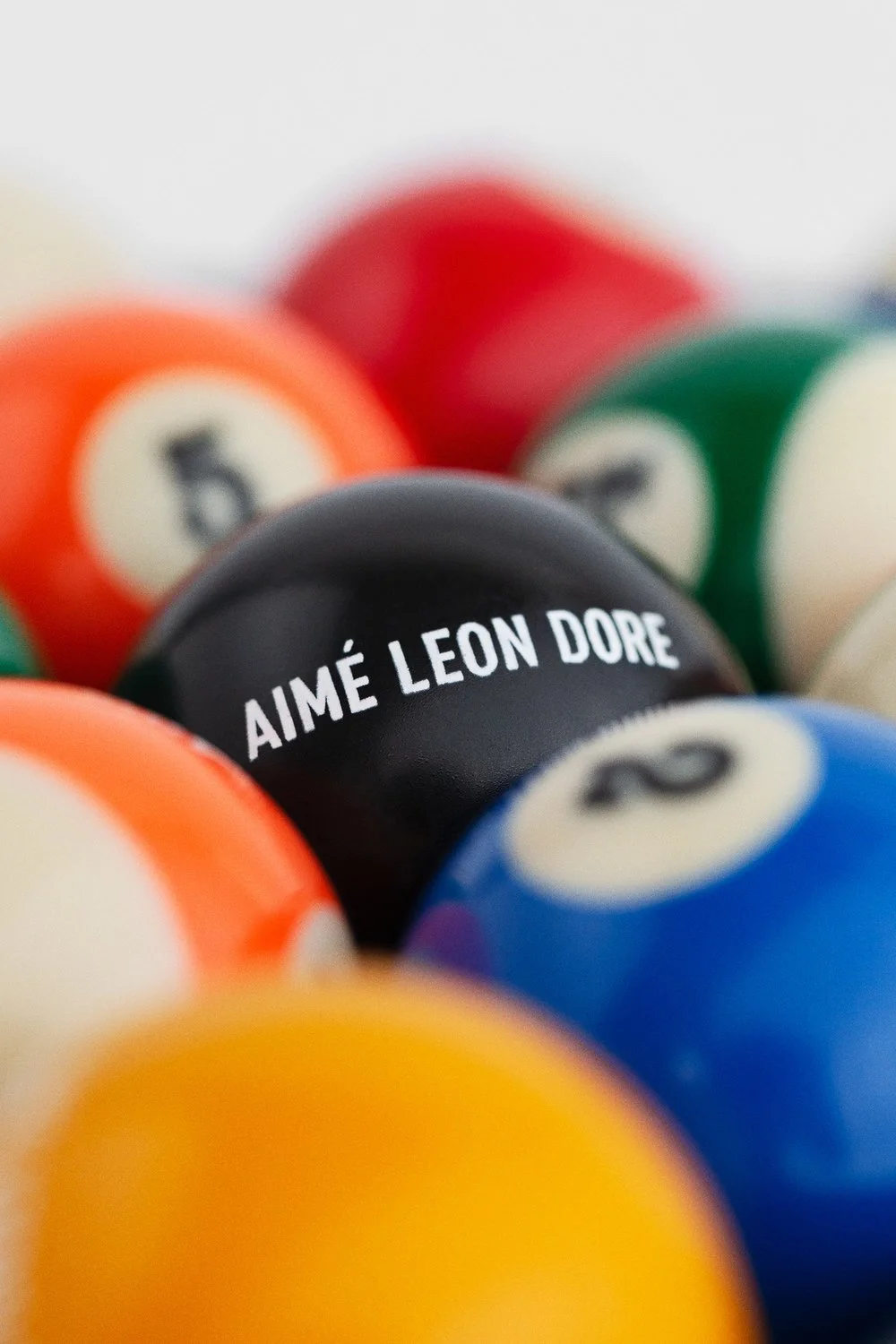
I'm Jessup Deane, a natural light product photographer based in Brooklyn, and I built my career on a lie. Well, not a lie exactly. More like a beautiful misunderstanding. For years, I shot product photography for Aime Leon Dore—images that became synonymous with the brand's elevated streetwear aesthetic. People called it "natural light photography." And it is. But it's also not. Let me explain.

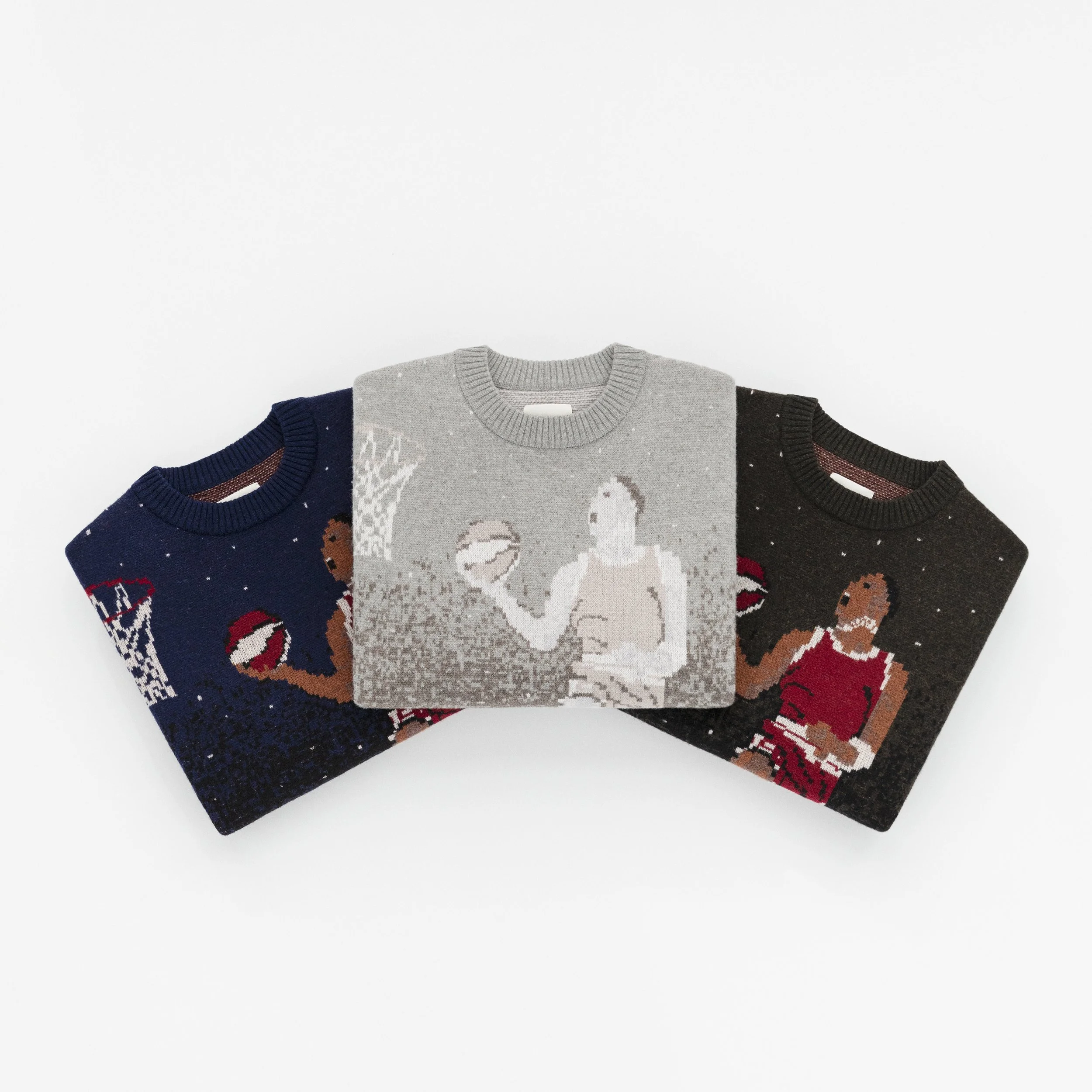

The Aime Leon Dore Years: Creating a Visual Language
I started working with Aime Leon Dore back in 2014-2015, back when they were still a growing name rather than the cultural force they became. I met them at a Bushwick hat factory where I was shooting product work. One of their product managers literally saw me styling on the floor, stopped, and asked, "Hey man, do you do that for other people?"
That's how it started. No portfolio review, no formal pitch. Just someone recognizing care when they saw it.
Over the next several years, I developed what became ALD's signature product photography aesthetic. The look everyone talks about—clean edges, precise layering, products shot in warm, naturally-lit environments that felt approachable yet premium. That wasn't an accident. It was the result of sitting with every single piece, understanding its character, and refusing to rush.
What "Natural Light Product Photography" Actually Means
When people search for natural light product photography or look for an ALD photographer, they're really searching for a feeling. They want images that don't scream "catalog." They want product photography that feels human.
The irony? I use lights. Strategically, carefully, minimally—but I use them. The "natural light" part isn't about refusing artificial lighting. It's about creating images that maintain the warmth, softness, and authenticity of genuine natural light while having complete control over the final result.
This is what separates professional natural light product photography from amateur work. Natural lighting NYC photographers know that window light is beautiful but unreliable. Brooklyn light in November at 2 PM is completely different from June at 10 AM. You learn to read light conditions, understand color temperature, know when to supplement and when to let natural sources do the work.
The goal is always the same: images that feel effortless. Images where viewers connect with the product emotionally before they even realize they're looking at advertising.

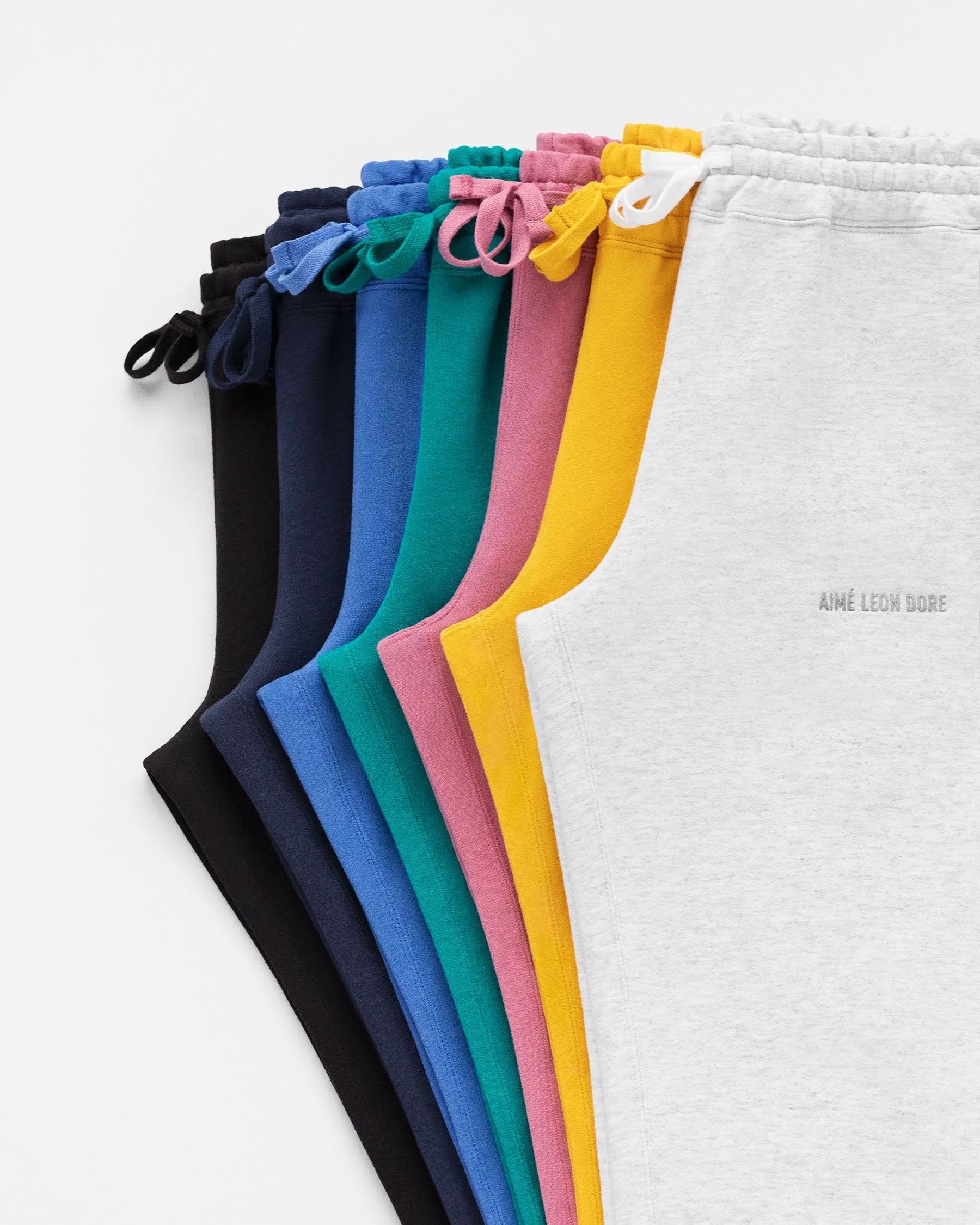
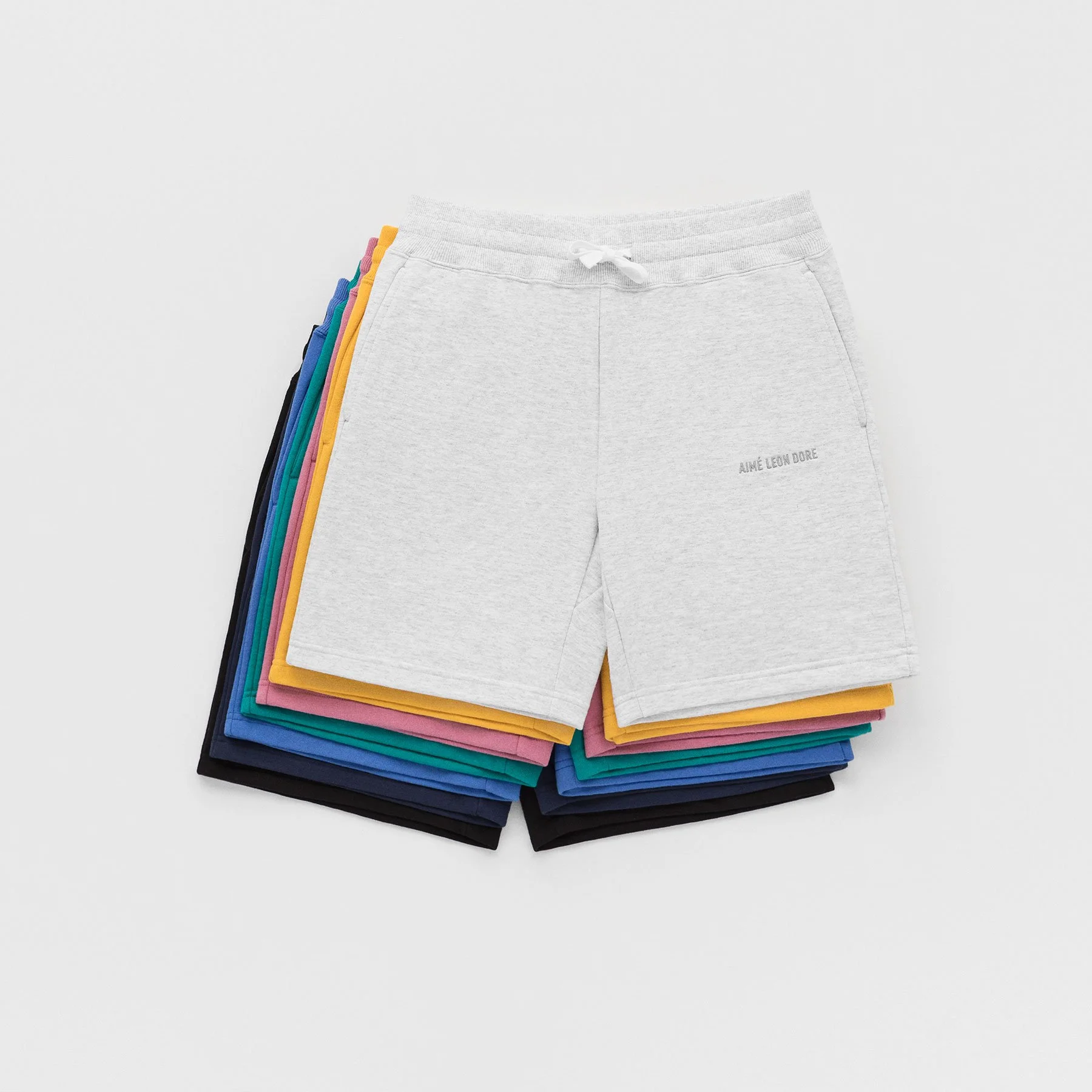
The Methodology: High Attention to Detail in Camera vs. Post
This is where most premium product photography NYC studios get it wrong. They shoot fast, fix it later. Bang through a product catalog in a day, send everything to retouchers, move on.
That's not how you create images people remember.
My approach as a professional product photographer prioritizes getting everything right in-camera. This means:
Extensive Pre-Production Planning Before I shoot a single frame, I'm thinking about the story. What is this product? Who wears it? What environment makes sense? If I'm shooting a heavyweight fleece crewneck, I'm not putting it on a sterile white background. I'm considering texture, color relationships, complementary props that enhance without distracting.
Precise Styling and Layering This is the signature element that defined my work with Aime Leon Dore. Products aren't just placed—they're composed. The way fabric folds matters. The angle of a collar, the natural drape of sleeves, the relationship between foreground and background elements. Every detail is intentional.
I'll spend an hour on a single piece if that's what it takes. Most commercial natural light photographer workflows can't accommodate that level of care. They have budgets that demand volume. I've built my practice around clients who understand that slow, meticulous work produces differentiated results.
Clean Edges and Technical Precision One characteristic people immediately recognize in my product photography is edge quality. Products have definition. They're crisp. They feel tangible.
This doesn't happen in post-production. This happens through proper lighting, understanding how shadows define form, and taking the time to ensure every technical element is correct before capture. When you nail it in-camera, post-production becomes refinement rather than rescue.


Why This Approach Matters in 2025
The photography industry has a problem. Product photographers are chronically undervalued. Clients see a white background and a folded sweater and think it's simple. They don't understand the depth, nuance, and intricacies that separate decent product photography from work that actually moves people.
I've watched brands outsource to cheaper photographers, then come back six months later because they hated the results. I've seen in-house teams grinding through five, six projects per week—talented people who don't have time to plan, think outside the box, or put real emotion into the work. What you get from that approach is inhuman. Technically competent maybe, but there's no visceral reaction. No real connection.
In 2025, as AI-generated imagery proliferates and everything starts looking the same, the brands that will stand out are the ones investing in authentic, intentional, human-centered photography. The kind of work where you can feel the care that went into it.
This is what premium brands understand. It's why companies beyond Aime Leon Dore—from MadHappy to emerging streetwear labels—seek photographers who bring a signature point of view rather than just technical competence.
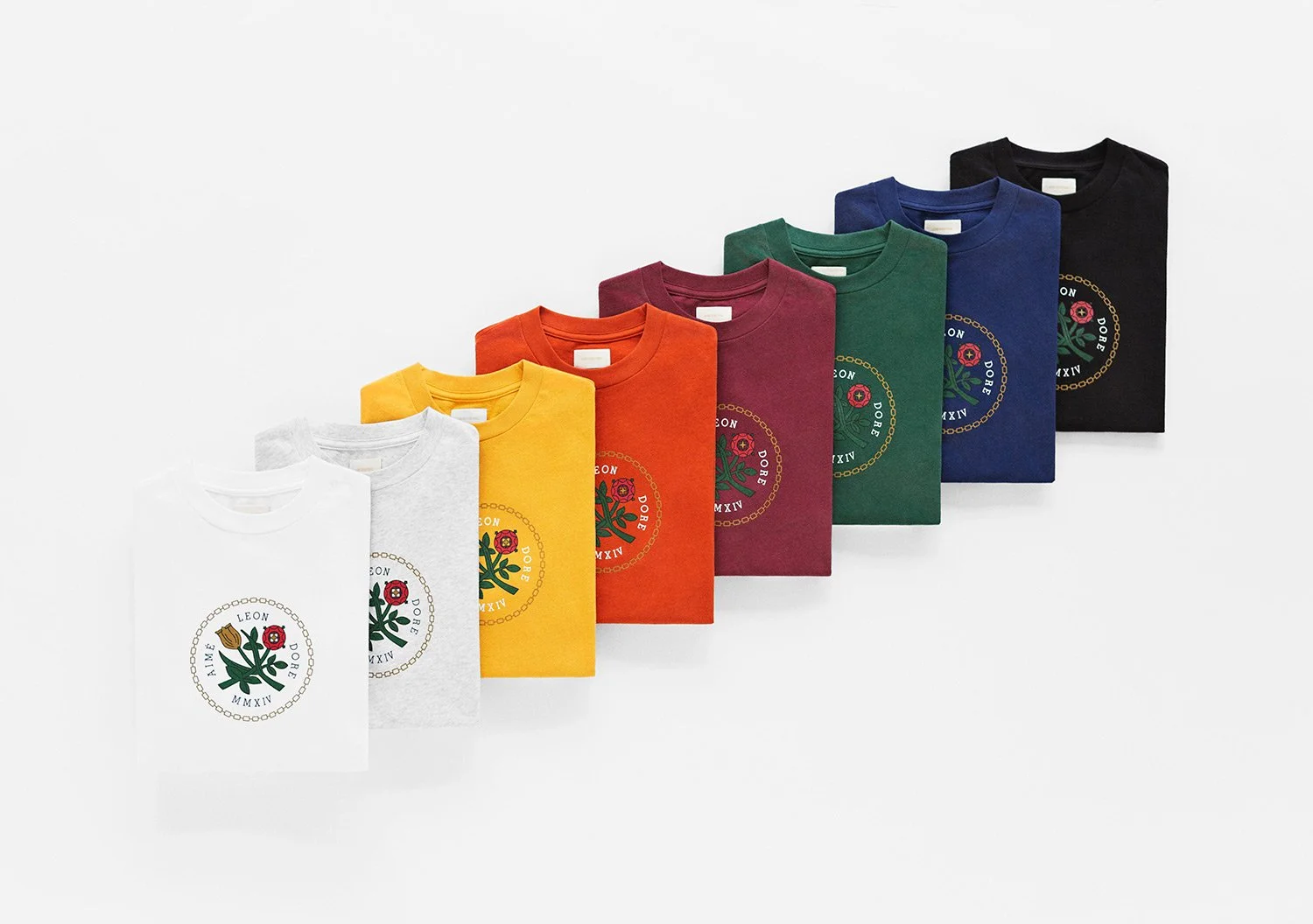

Natural Light Product Photography Studio: Brooklyn as Laboratory
My natural light product photography studio approach is inseparable from location. I'm Brooklyn-based for a reason. The light here is incredible when you learn to work with it. Large windows, industrial spaces, the way afternoon sun filters through in spring versus the harsh clarity of winter light—all of this informs the work.
But it's more than just the light. Brooklyn has become a hub for premium brands that value craftsmanship over mass production. There's an aesthetic sensibility here—an appreciation for authenticity, quality, and work that respects both the maker and the viewer. That cultural context shapes how I approach professional natural light product photography studio work.
I'm not trying to create images that look like they were shot anywhere. I want the work to carry a sense of place, a warmth and character that comes from real environments rather than seamless white infinity coves.
The Business Reality: Pricing, Value, and Boundaries
Let me tell you something that makes clients uncomfortable: Product photographers working full-time should be making minimum $100,000 per year. But almost none of us do.
Why? Because the industry undervalues this work. Brands don't understand what they're actually purchasing. They see the final image and miss everything that went into creating it—the physical labor of climbing ladders and shooting from awkward floor angles, the hours of editing, the years of experience that make it look effortless.
In my fourth year shooting for Aime Leon Dore, I looked at my bank account after finishing a season and thought, "For all that work, all those hours, where is the money?" So I called my manager and said, "I'm raising my prices. I have to."
His response? "Are you kidding me?"
Kinda insulting, but I stuck by it. They said they couldn't do it. Six months later—the best six months of rest I'd ever had—I get a call. They worked with another photographer, hated the results, and wanted me back. My prices hadn't changed. Their perspective on my value had.
Here's what I learned: You have to own the value of your assets. You have to be ready to turn down clients who can't meet your rates. You have to set boundaries, even when it's scary, especially when money feels tight. Because the alternative is burnout, resentment, and a career built on undercharging for work that deserves better.
I don't accept Net 30 or Net 60 payment terms. When I invoice, payment is due upon delivery. None of that two-weeks nonsense. Who the fuck created that rule? Just some person who thought, what if I could pay for this later? Absolutely not.
Beyond Aime Leon Dore: The Expanding Client Roster
While my work with Aime Leon Dore established my reputation as an ALD photographer and defined my natural light product photography approach, the years since have brought incredible creative opportunities with other premium brands seeking this aesthetic.
MadHappy, a Los Angeles-based lifestyle brand, reached out pre-pandemic. At the time, they weren't ready to commit to the level of investment this work requires. But in 2022, they came back—serious, focused, ready to establish a quality standard for their visual identity. We created dynamic product imagery that maintained the brand's optimistic energy while elevating their production value.
The pattern repeats: brands recognize the signature look, understand it sets them apart, and commit to the process. They're investing in more than product photography. They're investing in a visual identity that communicates care, quality, and authenticity—values their customers increasingly demand.
The only thing that frustrates me now? Seeing brands copy the aesthetic poorly. I wish companies paid photographers enough to do it well. So well that the images they produce push me to level up my own game. Right now, I just see the shortcuts. And here's the truth: there's no trick. It's time, detail, and effort.
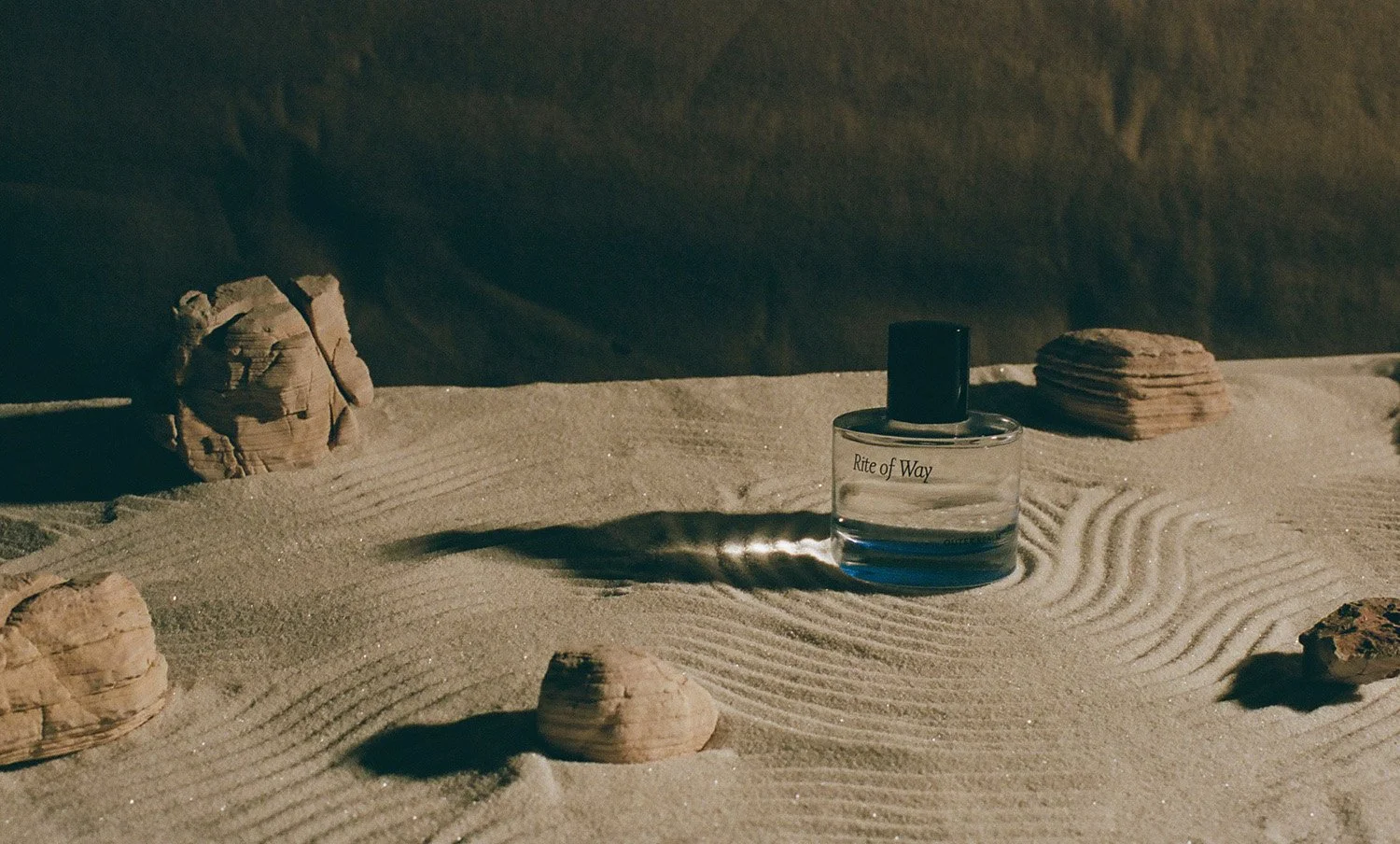
For Rite of Way's flagship fragrance, our natural light creative imagery captures the essence of the scent through clean, understated visuals that highlight the product’s craftsmanship and luxurious appeal. Utilising soft, ambient daylight, each shot is carefully composed to balance elegance with authenticity, ensuring the fragrance remains the focal point while evoking a sense of calm sophistication. The imagery reflects the brand’s commitment to simplicity and quality, with textures and subtle shadows adding depth without overpowering the natural tones. This approach creates a timeless, inviting aesthetic perfectly suited for Rite of Way’s distinguished identity.
What Comes Next: Teaching, Mentoring, Supporting Other Creatives
I'm at a point in my career where I want to transition from solely executing to also supporting others. I want to help emerging product photographers hone their craft, articulate their value, and build sustainable creative businesses.
Everything I know, the technical skills, the business lessons, the hard-won understanding of pricing and boundaries, I want to share that. Because the photography industry needs more people doing this work well. We need to raise the baseline quality. We need photographers confident enough in their value to charge what the work deserves.
If you're an emerging creative, here's what I want you to know: Give 110% of your effort, every damn time, no matter how small the task. Never get comfortable. Never get complacent. Master your craft so thoroughly you can see creative work through from beginning to final product, backwards, forwards, sideways, and upside down.
Build relationships. Take risks. Carry your camera everywhere. Make yourself indispensable. Ask for what you're worth.
The path isn't easy. I spent years saying "I got you" to any opportunity, volunteering for little or no pay, building my network one shoot at a time. I've had periods where I didn't make a dollar for months. But the alternative being playing it safe, staying in someone else's equipment room, taking work personally and burning out, that's worse.

Conclusion: Photography as Connection
At the end of the day, natural light product photography—real, intentional, authentic work—is about connection. It's about freezing moments that will never occur again. It's about creating images that make people feel something before they even realize they're looking at a product.
This is what I built with Aime Leon Dore. This is what I bring to every client relationship. This is the standard for professional natural light product photography studio work that respects both the craft and the viewer.
If you're a premium brand looking for product photography that actually differentiates your visual identity, that connects emotionally with your audience, that demonstrates care in every frame—let's talk. Because in 2025, as everything homogenizes and AI makes it easier to produce more mediocre content faster, the brands that will win are the ones investing in real craftsmanship.
Photography is magic. Cheesy, but true. And I'm still chasing that magic with every single shoot.
FAQ Section
Q: What is natural light product photography? Natural light product photography uses sunlight and ambient environmental lighting as primary illumination sources, creating warm, authentic images that feel organic rather than artificially lit. Professional approaches often supplement natural light strategically while maintaining the characteristic softness and warmth viewers associate with genuine daylight.
Q: Who was the Aime Leon Dore product photographer? Jessup Deane served as Aime Leon Dore's primary product photographer during the brand's formative years before 2020, developing the signature clean-edged, naturally lit aesthetic that became synonymous with ALD's visual identity.
Q: How is natural light product photography different from studio photography? Natural light product photography prioritizes organic lighting quality and authentic environments over controlled studio setups. The approach emphasizes in-camera precision, intentional styling, and creating emotional connections rather than sterile, mass-produced catalog imagery.
Q: What makes professional natural light product photography effective? Effective natural light product photography combines technical mastery—understanding color temperature, shadow quality, and supplemental lighting—with artistic vision. The methodology prioritizes getting compositions, layering, and details correct in-camera rather than relying on extensive post-production.
Q: Where can I find a natural light product photographer in NYC? Brooklyn has emerged as a hub for premium natural light product photography, with photographers specializing in authentic, intentional product imagery that differentiates brands in competitive markets. Look for photographers with proven track records, distinctive visual signatures, and client portfolios demonstrating consistent quality over volume.
